


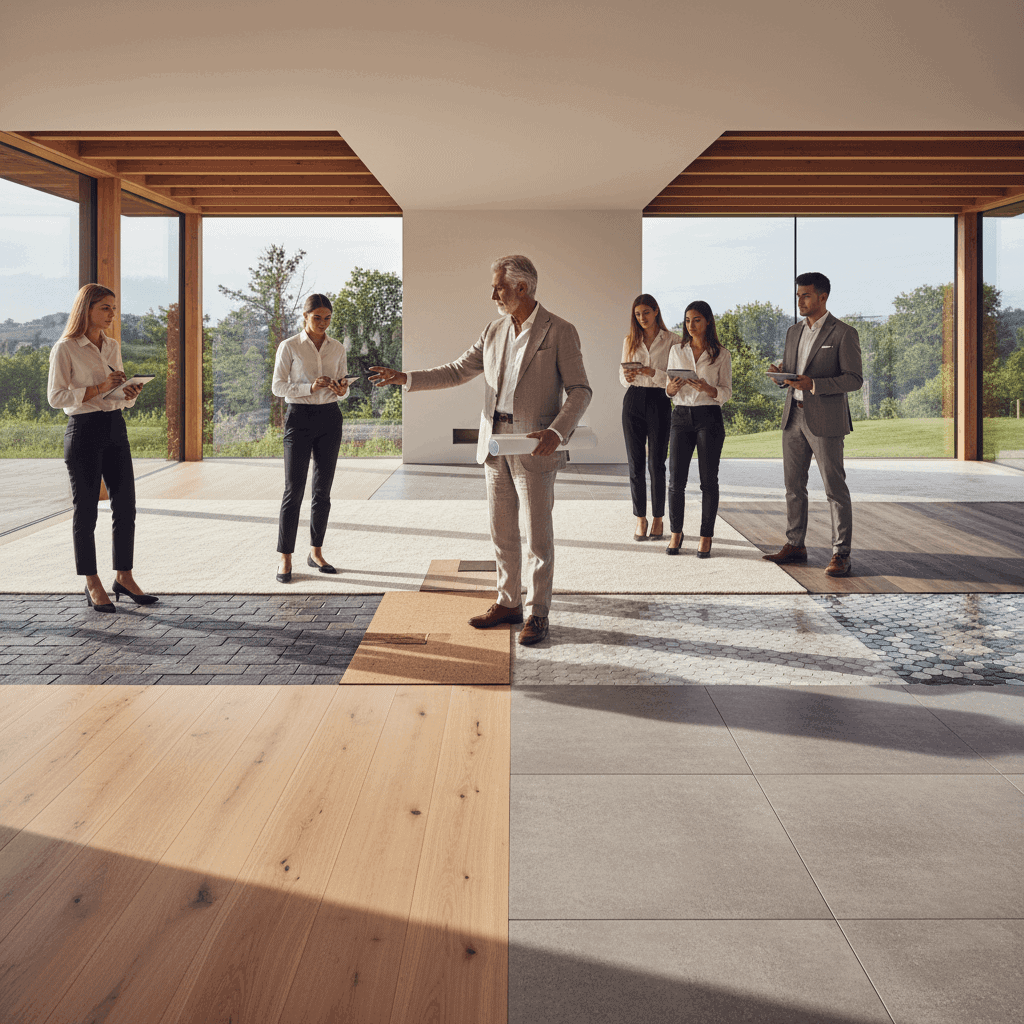
Choosing the right flooring for your home is a big decision. It sets the foundation for your interior design and impacts daily life. The floors you select affect everything from comfort and durability to overall aesthetics.
I understand this choice can feel overwhelming with so many options available. Each room in your home serves a different purpose so its flooring needs vary. You want materials that stand up to everyday use while also looking great and complementing your style.
I am here to guide you through the process. We will explore various flooring types and consider what makes each a good fit for specific areas. My goal is to help you confidently master choosing the right floors for every room.
Understanding Your Lifestyle and Room Needs
Before you even look at samples, I always suggest thinking about how you live in your home. Your lifestyle dictates the practical demands on your floors. Do you have children, pets, or frequently host gatherings? These factors will heavily influence the best choices for you.
Consider the daily activities in each room. A busy kitchen needs a different type of floor than a quiet bedroom. I believe a good floor should support your life without adding stress.
High-Traffic Areas
Entryways, hallways, and living rooms typically see the most foot traffic. These areas demand flooring that is exceptionally durable and resistant to wear and tear. I have seen many homes where beautiful but unsuitable flooring in these spots quickly shows signs of age.
For example, hardwood is a classic choice, but certain types are softer and can scratch easily. A tougher wood or a highly durable luxury vinyl plank might be better here. We want something that holds up to constant movement and still looks good for years. The right material here will save you headaches and replacement costs down the line.
Moisture-Prone Rooms
Kitchens, bathrooms, and laundry rooms present unique challenges because of moisture. Water spills are common and humidity levels can fluctuate. Choosing a waterproof or highly water-resistant material is essential to prevent damage like warping, mold, or mildew.
Ceramic tile is a long-standing favorite for these areas because it is naturally water-resistant and easy to clean. Newer options like luxury vinyl tile or plank also offer excellent water protection. I always advise against carpet or standard hardwood in these spaces because they do not stand up well to moisture exposure.
Exploring Popular Flooring Materials
Once you have a clear picture of your room’s needs, we can start to look at the materials themselves. There is a wide array of options out there. Each one brings its own set of benefits and characteristics.
I find it helpful to understand the basic properties of each material. This knowledge helps us make informed decisions that match both form and function. We want floors that serve you well and look fantastic.
Hardwood Elegance
Hardwood flooring offers timeless beauty and can significantly increase a home’s value. It comes in various species, each with unique grain patterns and hardness ratings. Oak and maple are very popular because they are durable and versatile.
Solid hardwood can be refinished multiple times over decades, extending its life. Engineered hardwood is another option, made with a real wood veneer over a plywood core. It handles humidity changes better than solid wood and can be installed in more places.
The warmth and natural feel of hardwood are hard to beat. It creates an inviting atmosphere in living rooms and dining areas. I often recommend it for spaces where you desire a classic and refined look.
Durable Laminate and Vinyl
Laminate flooring is a budget-friendly option that mimics the look of hardwood or tile. It has a photographic layer topped with a clear protective wear layer. Laminate is quite durable and resistant to scratches and dents.
However, it is not completely waterproof. Luxury vinyl plank or tile (LVT/LVP) provides a similar aesthetic but with superior water resistance. Many LVT/LVP products are 100% waterproof, making them ideal for any room, including basements and bathrooms.
I see laminate and vinyl as excellent choices for busy households. They are easy to maintain and offer great performance at a lower cost than real wood. This makes them a practical solution for many families.
Cozy Carpeting
Carpet brings warmth, softness, and sound absorption to a room. It feels comfortable underfoot and can make a space feel more inviting. Bedrooms and family rooms often benefit from the plushness of carpet.
There are many types of carpet fibers and pile heights. Each offers different levels of durability and texture. Wool carpets are luxurious and naturally stain-resistant while nylon carpets are very resilient and hold up well to heavy traffic.
I usually suggest considering carpet for areas where comfort is a priority. It adds a cozy element and can even provide some insulation. Just remember that carpet requires more cleaning and is not suitable for wet areas.
Factors Beyond Aesthetics
While the look of your floor is important, several practical considerations play a huge role in choosing the right material. Thinking about these details upfront can prevent issues later on. I always tell people to think about the whole picture.
It is not just about what catches your eye. We also need to factor in things like your budget. We also consider how much work you are willing to put into maintenance. These elements are key to satisfaction with your new floors.
Budget Considerations
Flooring comes in a wide range of price points. It is crucial to set a realistic budget before you start shopping. Remember to account for both material costs and installation fees.
Some materials, like high-end hardwood or natural stone, are more expensive upfront. Others, such as laminate or basic vinyl, offer a more economical solution. I often remind people that the cheapest option is not always the best long-term value. Sometimes paying a little more for a durable material saves money on repairs or early replacement.
Installation Complexity
The installation method can affect both the cost and the timeline of your project. Some floors are relatively easy for a DIY enthusiast to install. This is the case with click-lock laminate or some vinyl planks. Other materials require professional expertise.
Hardwood and tile installations are often complex and best left to experienced installers. Proper installation ensures longevity and a professional finish. I always recommend getting quotes for installation if you are not planning to do it yourself.
Matching Floors to Your Home’s Style
Your flooring is a major design element. It needs to harmonize with your home’s overall aesthetic. A mismatch can make a room feel disjointed or outdated. I find that a well-chosen floor enhances the entire decor.
Consider the existing elements in your home such as wall colors, furniture, and architectural details. The flooring should complement these features, creating a cohesive and inviting space. We want a look that feels natural and complete.
Modern and Minimalist Homes
For modern and minimalist designs, I often suggest sleek and simple flooring options. Large format tiles in neutral colors like gray or white work well. Polished concrete also offers a clean, industrial look that fits this style.
Light-colored hardwoods with minimal grain or a uniform engineered wood can also contribute to a streamlined feel. The key is to avoid busy patterns or overly rustic textures. A smooth, uncluttered floor helps achieve that clean, contemporary vibe.
Traditional and Classic Interiors
Homes with traditional or classic decor can benefit from richer, more textured flooring. Darker hardwoods, like cherry or walnut, provide a sense of elegance and warmth. Intricate tile patterns or even patterned carpets can also complement these styles.
I find that herringbone or chevron patterns in wood floors add a sophisticated touch to traditional spaces. These choices create depth and character. They also respect the architectural heritage of the home. This gives us a cohesive and beautiful appearance.
Considering Environmental and Health Impacts
As we become more aware of our impact on the planet and our own well-being, flooring choices now include environmental and health considerations. I believe it is important to think about where materials come from and how they affect indoor air quality.
Choosing sustainable options can reduce your carbon footprint. Opting for low-VOC products helps keep your home’s air cleaner. These decisions contribute to a healthier living environment for everyone.
Sustainable Choices
Many eco-friendly flooring options are available today. Bamboo and cork are highly renewable resources. They offer unique looks and are durable too. Reclaimed wood also provides a beautiful, sustainable hardwood option with a rich history.
For instance, some manufacturers now offer carpets made from recycled materials. There are also vinyl planks with a high percentage of recycled content. I encourage people to look for certifications that indicate environmentally responsible sourcing and manufacturing. Choosing green products makes a positive difference.
Allergy-Friendly Options
For individuals with allergies or asthma, certain flooring types are better than others. Hard-surface floors generally collect fewer allergens than carpets. Hardwood, tile, laminate, and vinyl are all good choices because they are easy to clean and do not trap dust mites or pet dander.
If you prefer carpet, I recommend low-pile options made from synthetic fibers. They are easier to vacuum and keep clean. Regularly cleaning any floor is key to reducing allergens. However, I usually advise against deep-pile carpets if allergies are a major concern in your household. It is about making smart choices for your health.
The Long-Term Investment of Quality Flooring
Selecting new flooring is more than just a renovation project. It is a significant investment in your home. The choices you make now will affect your comfort, home value, and maintenance routine for many years. I always tell people to think long-term when making these decisions.
Quality flooring lasts longer and performs better. It withstands daily wear and tear. This reduces the need for frequent repairs or premature replacement. Durable materials maintain their appearance, helping your home look its best.
Also, the right flooring can significantly enhance your property’s appeal. When it comes time to sell, well-maintained and attractive floors are a major selling point. They offer a great return on investment. This is because they contribute to both functionality and aesthetics. It truly pays to choose wisely and not just settle for the cheapest option.
Conclusion: Making Your Final Flooring Decision
Choosing the right floors for every room in your home requires thoughtful consideration. I have seen how much a well-chosen floor can transform a space. We have explored the importance of matching flooring to your lifestyle, room function, and home aesthetic. We also considered practical aspects like budget, installation, and environmental impact. My personal experience tells me that taking your time with this decision will always lead to greater satisfaction. It is not just about picking a material but creating a foundation for how you live. Whether you prioritize durability for a busy family, elegance for formal areas, or comfort for private retreats, there is a perfect flooring solution waiting for you. By carefully weighing all these factors, you can confidently select floors that are both beautiful and functional for years to come. I hope this discussion has provided you with the insights you need to confidently move forward. If you are ready for a deeper dive into specific options and helpful tips for making your choice, be sure to check out this comprehensive flooring selection guide. It offers even more detailed advice to help you on your way.